




‘Altitude sickness’ may have killed man during trip to Rocky Mountain National Park
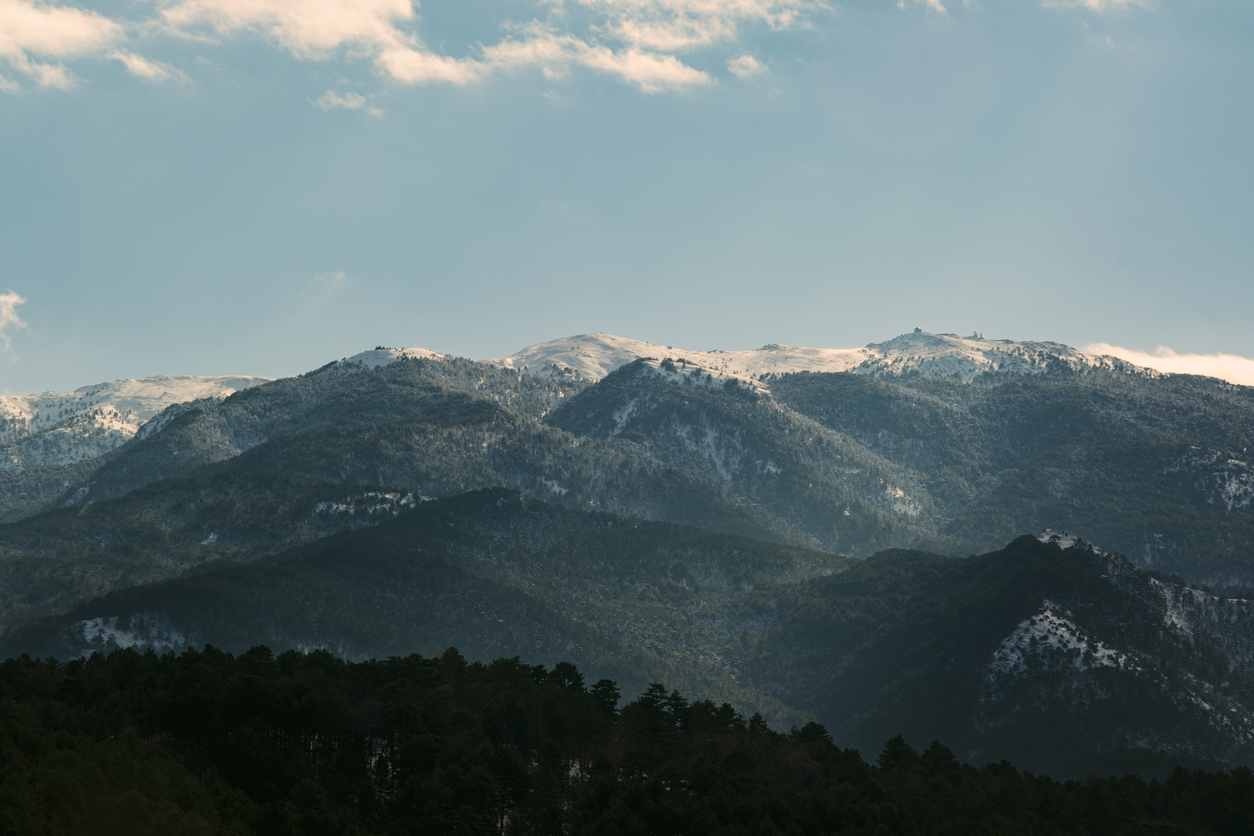
Rocky Mountain National Park officials have released the identity and cause-of-death of a man initially found unresponsive on Mount Ida Trail on July 17.
The 51-year-old male was identified as Robert Landry of Carencro, Louisiana, with his death consistent with an acute coronary event, as well as high-altitude pulmonary edema.
High-altitude pulmonary edema, also referred to as HAPE and a severe symptom of altitude sickness, is a condition that typically occurs when people living in lower elevation areas rapidly ascend to an elevation above 8,200 feet. Per a report from Mayo Clinic, it’s believed that during HAPE events, blood vessels in the lungs constrict, increasing pressure and ultimately causing fluid to leak from blood vessels into lung tissues and the air sacs.
Landry was found by hikers about a mile from the Mount Ida Trailhead, which would be an elevation of around 11,000 feet above sea-level. It wasn’t mentioned whether or not Landry had traveled to Colorado directly from Louisiana or if he had time to acclimate, though it may be worth noting that his hometown of Carencro has an elevation of just 39 feet above sea level.
While HAPE-related deaths are fairly rare in Colorado, it is a risk that everyone traveling to a high elevation should be aware of, regardless of physical fitness. Initial symptoms of altitude sickness are often compared to those of a bad hangover, with dizziness, a headache, shortness of breath, and loss of appetite being noticeable impacts. The best way to dampen the effects of altitude sickness tends to be traveling to a lower elevation immediately.
It’s important to note that some people are especially sensitive to elevation changes, with even a trip through Denver International Airport on a layover being enough to cause problems. It’s also worth noting that many of Colorado’s mountain towns are found in the range of 8,000-feet or above, meaning a mere sightseeing trip – even one without strenuous activity – could become hazardous. Even locals living their lives at 5,280-feet or above can feel the impacts when traveling to higher elevation terrain, making it crucial for everyone to be aware of what symptoms tend to appear and how to react.
Condolences go out to those impacted by Robert Landry’s tragic death.
STAY INFORMED: Get free Colorado news with our daily newsletter (Click here)
Get OutThere
Signup today for free and be the first to get notified on new updates.
PREV
PREVIOUS
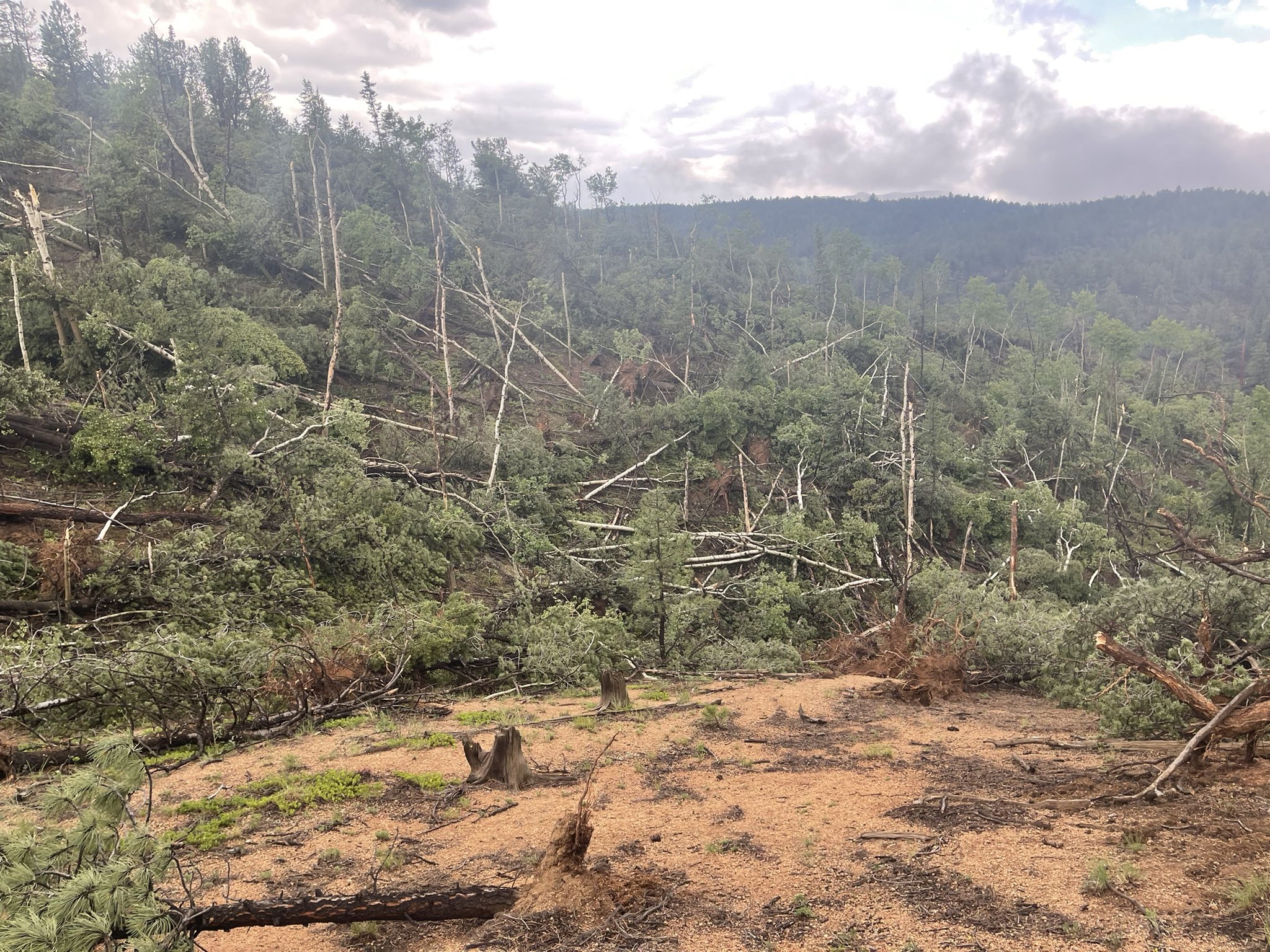
Rare tornado likely to blame for damages on 14,115-foot Colorado peak
Update: The National Weather Service has confirmed that a tornado touched ground on Pikes Peak on Thursday. According to the National Weather Service in Pueblo, it’s likely that a tornado touched ground on Pikes Peak on Thursday afternoon, downing several trees in the area. “It’s fairly seldom that Pikes Peak gets hit with a tornado, […]

Peter Lambert makes scoreless return to Rockies rotation
Injuries to his right arm have made life especially tough for Peter Lambert. He was a second-round pick of the Colorado Rockies in 2015. But right after his career began to rise, a balky elbow put him on the injured list carousel for three years after a positive start in 2019. For the second time […]