




Here’s why Idaho refuses to send wolves to Colorado for reintroduction
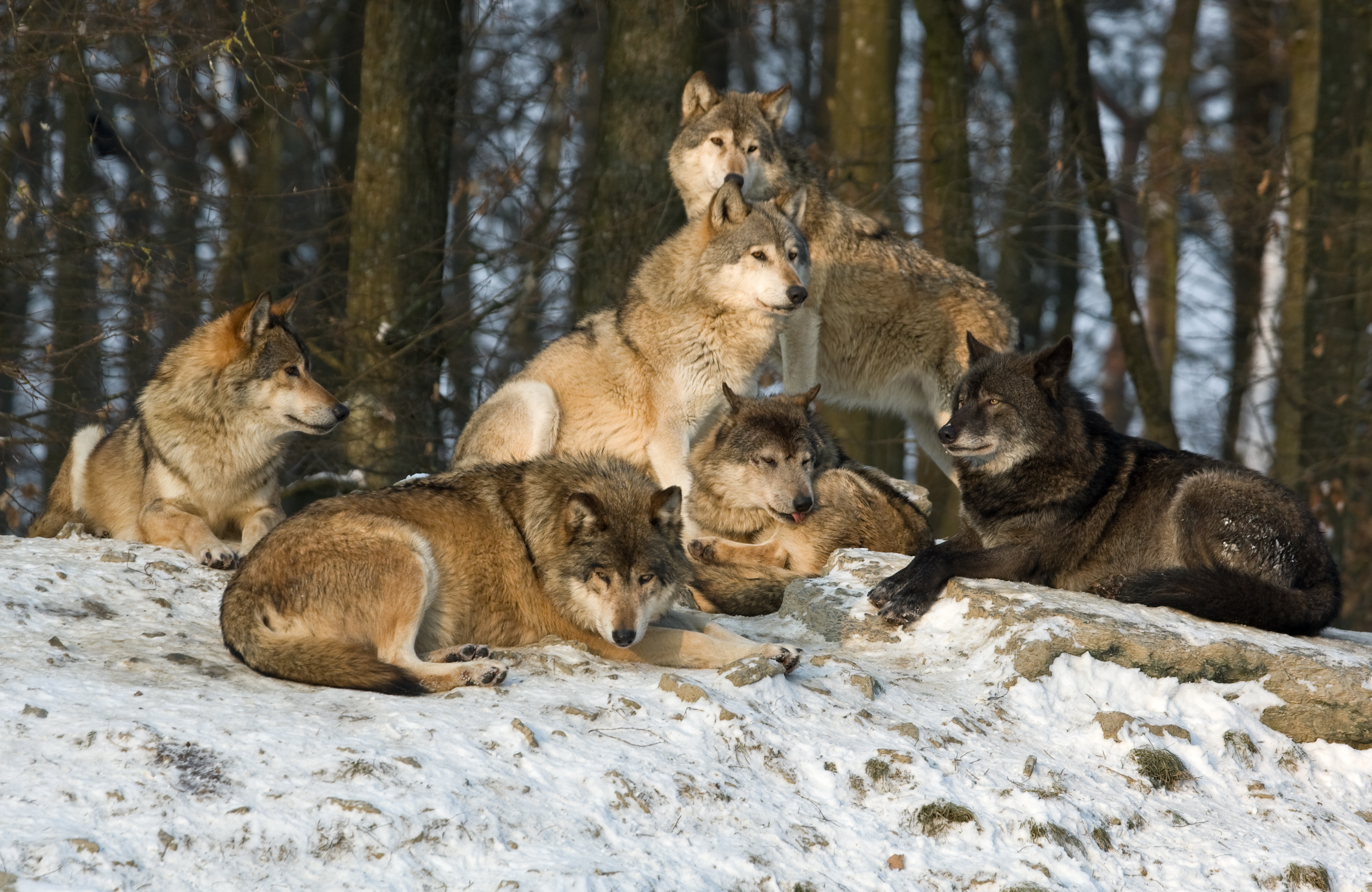
The Idaho Department of Fish and Game (IDFG) has declined Colorado Parks and Wildlife’s request to send wolves from Idaho to Colorado for reintroduction.
In a letter addressed to CPW’s Director Jeff Davis, IDFG shared that the decision to deny CPW’s request was based on its own state’s experiences with wolf management.
“Unfortunately, Idaho’s experience leads us to conclude that negative impacts of wolves sent to Colorado will not stay in Colorado,” the letter reads.
Wolf recovery efforts began in Idaho in 1987, according to the IDFG website. In 2005, the rules around the experimental non-essential population of reintroduced wolves in Idaho changed, giving the state a larger role in management.
The species has since been removed from the endangered species list in Idaho, and is managed similarly to bears and mountain lions, according to IDFG.
“Idaho has paid an enormous price to have wolves on the landscape. There are actual costs associated with monitoring, managing, and controlling wolves; costs associated with depredation compensation and prevention; and costs associated with never-ending litigation related to wolf management,” the letter reads.
According to the letter, Idaho’s wolf population exceeded the criteria for delisting long before it was actually approved for removal from the endangered species list. It claims that the U.S. Fish and Wildlife Service has failed to “live up to its assurances” to allow more management flexibility under section 10j of the ESA.
10j populations – or “experimental” populations – are classified as threatened, not endangered, under the ESA. This gives the state more flexibility with managing the species.
“We are justifiably concerned that the implications of ESA-litigation related to the translocation of wolves in Colorado will not be isolated to Colorado. It is unclear what ESA distinct population segment a 10j wolf population in Colorado is intended to support the recovery of,” it says.
IDFG also shared that the Idaho’s “prolonged inability” to delist wolves has led to a significant rift in its relationships with its rural communities, hunters, trappers, other outdoor recreators, wolf advocates, conservationists, and government entities.
“Were wolves to be delisted and solely under state management authority in Colorado, we might have a different view,” the letter says in closing.
Wyoming has also refused to give wolves to Colorado.
Per the passage of Proposition 114 in 2020, Colorado Parks and Wildlife (CPW) is required begin reintroduction by December 31, 2023.
STAY INFORMED: Get free Colorado news with our daily newsletter (Click here)
Get OutThere
Signup today for free and be the first to get notified on new updates.
PREV
PREVIOUS
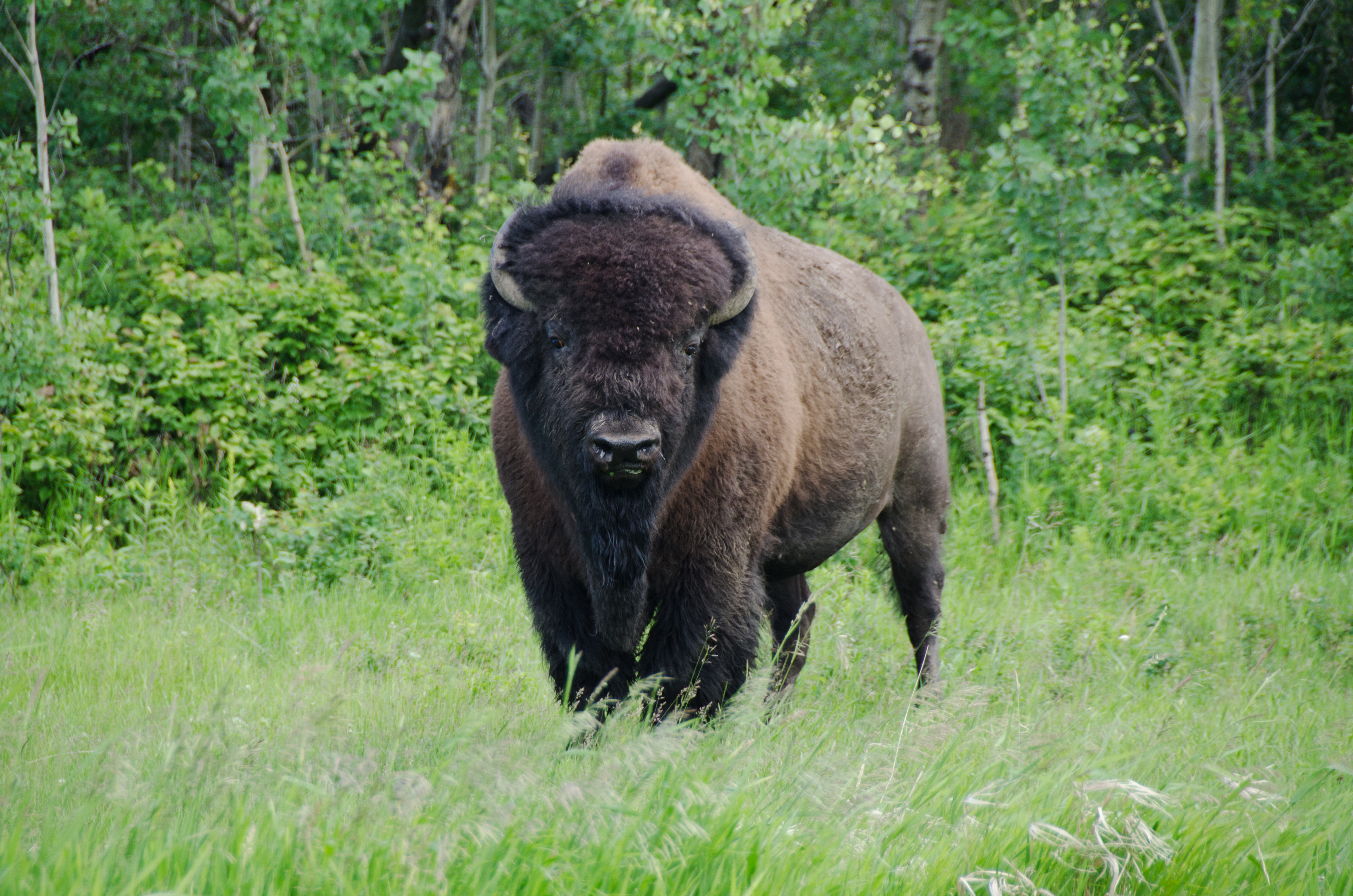
Bison attack victim suffers 7 spinal fractures, collapsed lungs
The 47-year-old tourist that was gored by a bison in Yellowstone National Park on Monday has taken to Facebook to share about the near-fatal attack and to give an update on her condition. The woman, Amber Harris, was visiting Yellowstone from Arizona with her boyfriend and daughter. According to the Facebook post, Harris and her […]

No bail for Castle Rock teen accused of planning to join Islamic State group
A federal magistrate in Denver opted to deny bail to a Castle Rock teenager accused of trying to travel to Iraq to join the Islamic State group, citing concerns about his previous death threats to his mother and wanting to avoid any risk of him following through on alleged ambitions of committing mass violence. After […]