




Sanctuary in the Rockies: 10 Colorado Wildlife Refuges
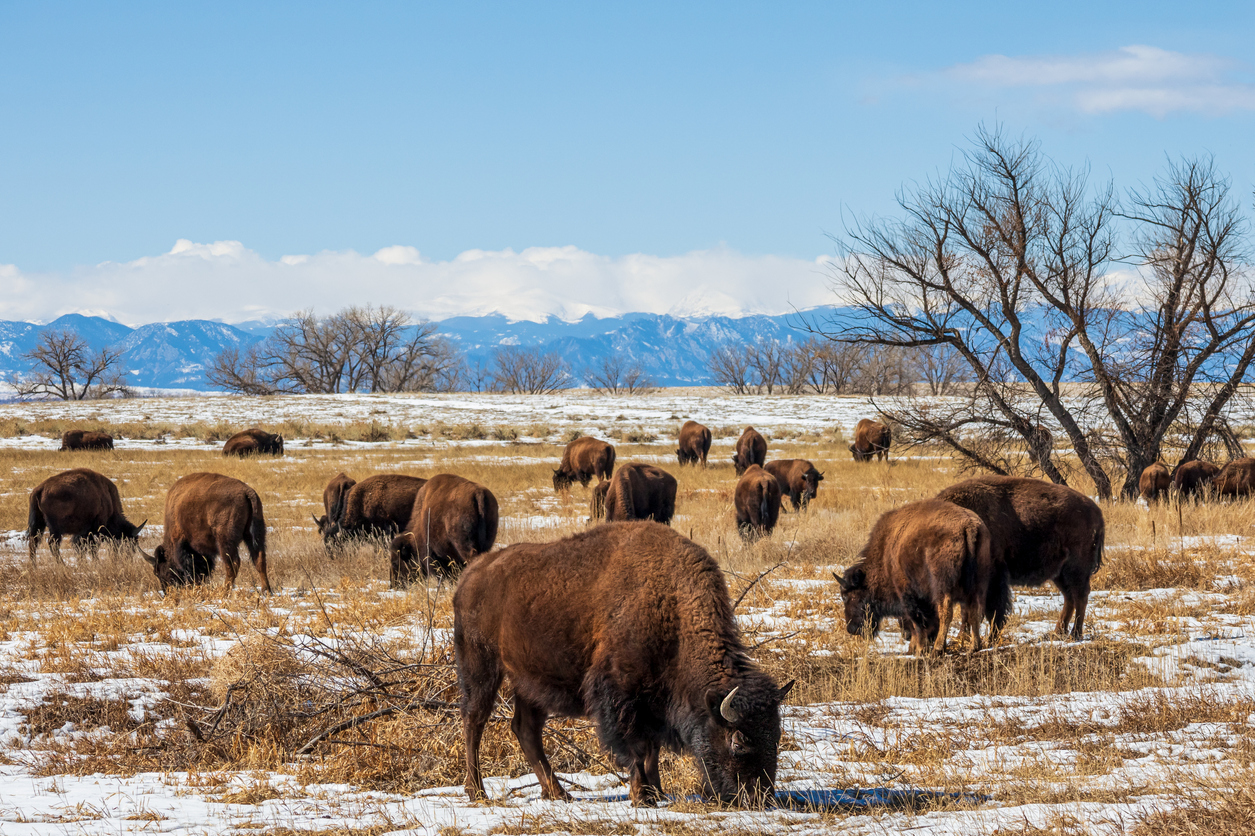
Colorado is known for its stunning mountains, opportunities to experience the outdoors, and iconic wildlife.
Here’s a look at some of Colorado’s wildlife refuges, plus a conservation center and fish hatchery. The public can visit all of these spots.
1. Alamosa National Wildlife Refuge
Established in 1963, this 12,026-acre refuge is located in southern Colorado, at the south end of the San Luis Valley.
It provides a crucial feeding, resting, and breeding habitat for over 200 bird species and other wildlife. The area contains wetlands and desert habitats that the refuge uses to provide for the animals.
The Alamosa, Monte Vista, and Baca National Wildlife Refuges now make up the San Luis Valley National Wildlife Refuge Complex.
2. Arapaho National Wildlife Refuge
This refuge began in 1967, originally to provide suitable nesting and rearing habitat for migratory birds. The refuge is 23,464 acres and supports habitats including sagebrush steppe uplands, grassland meadows, willow riparian areas, and wetlands.
At an elevation of 8,100 to 8,700 feet, it’s the highest refuge in the lower 48 states. Also, the refuge is located in an intermountain glacial basin about 35 miles wide and 45 miles long.
3. Baca National Wildlife Refuge
Located in the northeastern part of the San Luis Valley, this 93,000-acre refuge is comprised of “miles of creeks, expansive wet meadows, rolling uplands, and never-ending playas.”
As well as being set aside for migratory birds and resident wildlife, the refuge was set aside as part of “a broader conservation effort to protect the wildlife, habitat, and water of the northern San Luis Valley.”
4. Rocky Mountain Arsenal National Wildlife Refuge
Located only 10 miles northeast of downtown Denver, this refuge is one of the largest urban refuges in the country. This refuge is home to bison, deer, raptors, songbirds, waterfowl, prairie dogs, and coyotes.
As well as working on things like wildlife monitoring, habitat management, and restoration, the refuge aims to help people foster an appreciation for nature.
5. Two Ponds National Wildlife Refuge
Also close to downtown Denver, this 72-acre refuge has more than 120 species of birds, coyotes, red foxes, beavers, turtles, deer, and more. The refuge offers great views of the Rocky Mountain Front Range.
Visitors can explore the refuge by hiking, and viewing and photographing the wildlife and landscapes. The refuge offers environmental education programs for kids, as well as nature programs and service projects.
6. Rocky Flats National Wildlife Refuge
As well as being home to elk, deer, raptors, songbirds, waterfowl, prairie dogs, and coyotes, this refuge hosts many activities. The refuge includes wildlife viewing, ten miles of hiking trails, bicycling, horseback riding, cross-country skiing, and snowshoeing.
Established in 2007, the refuge was created to preserve and protect more than 630 species of plants, as well as xeric tallgrass prairie. It is home to 239 migratory and resident wildlife species.
7. Monte Vista National Wildlife Refuge
One of three national wildlife refuges in the San Luis Valley, this refuge is located at the south-central end of the valley along with the Alamosa National Wildlife Refuge.
The refuge contains “artificially made and intensively managed” wetlands that provide habitats for over 200 bird species and other wildlife, including Mallards, pintails, teals, and Canada geese.
8. Browns Park National Wildlife Refuge
Located along the Green River in northwest Colorado, this refuge contains a variety of habitats, including upland sage steppe, pinyon/juniper forests, wetlands, and wet meadows.
The refuge was established in 1956 by a Public Land Order to “provide sanctuary for migratory birds, conserve endangered and threatened species, and offer wildlife-dependent recreational opportunities.”
9. National Black-Footed Ferret Conservation Center
Although black-footed ferrets used to number in the tens of thousands, they have almost reached extinction twice in the 20th century. However, scientists captured the remaining ferrets in 1986, which began a successful captive breeding and reintroduction program.
The program releases black-footed ferrets into the wild at reintroduction sites across the West. Colorado’s National Black-Footed Ferret Conservation Center manages the recovery efforts, along with partners in multiple states.
10. Leadville National Fish Hatchery
Established in 1889, the Leadville National Fish Hatchery is the second oldest federally operated fish hatchery. The hatchery’s purpose is to increase the supply of fish for inland waters and is currently rearing Hayden Creek cutthroat trout, rainbow trout, and greenback cutthroat trout.
The hatchery also provides opportunities for visitors to view the fish production process.
Get OutThere
Signup today for free and be the first to get notified on new updates.
PREV
PREVIOUS

Former Denver hockey standout Bobby Brink finding success in NHL with Flyers
It’s been 637 days since Bobby Brink played a hockey game in the Mile High City. A lot has happened since he and the rest of the University of Denver hockey team beat Miami (Ohio) in the NCHC Tournament at Magness Arena. Just a few weeks after that quarterfinal matchup, the Pioneers won their ninth […]

Three ways EVs don't measure up to gas-powered cars
Electric vehicles have not lived up to the hype, according to a new consumer report, which revealed EVs have nearly 80% more problems than cars powered by internal combustion engines. The report, released last month, also revealed that plug-in hybrid electric vehicles have even more problems than regular EVs, with almost 150% more troubles than […]