







The real star of “The Life of Chuck” is Colorado choreographer Mandy Moore.
Neon Pictures

Move over, Jennifer Lawrence and Bradley Cooper. Hang ‘em up, Emma Stone and Ryan Gosling. Colorado’s Mandy Moore is now tearing up the dance floor with a couple of adorable teenagers named Benjamin Pajak and Trinity Jo-Li Bliss.
Oh, and Tom Hiddleston and Annalise Basso, too.
Moore, whose one-way star has never gone anywhere but up, is, in the words of Hiddleston himself, “one of the world’s absolute best choreographers.”
And what the Summit High School grad pulls off in the glorious new Stephen King film “The Life of Chuck” just might be her best work yet. Which is saying something, given that her canon includes “Silver Linings Playbook,” “La La Land,” “So You Think You Can Dance” and the Taylor Swift “Eras Tour.”


Mandy Moore has won three Emmy Awards for choreography.
The magazine Marie Claire describes “The Life of Chuck” as “an invigorating drama about doomsday and dance,” and declares flat out: “It wouldn’t work without Mandy Moore.” Why? “Because dance is the emotional heart of the entire film.”
No pressure.
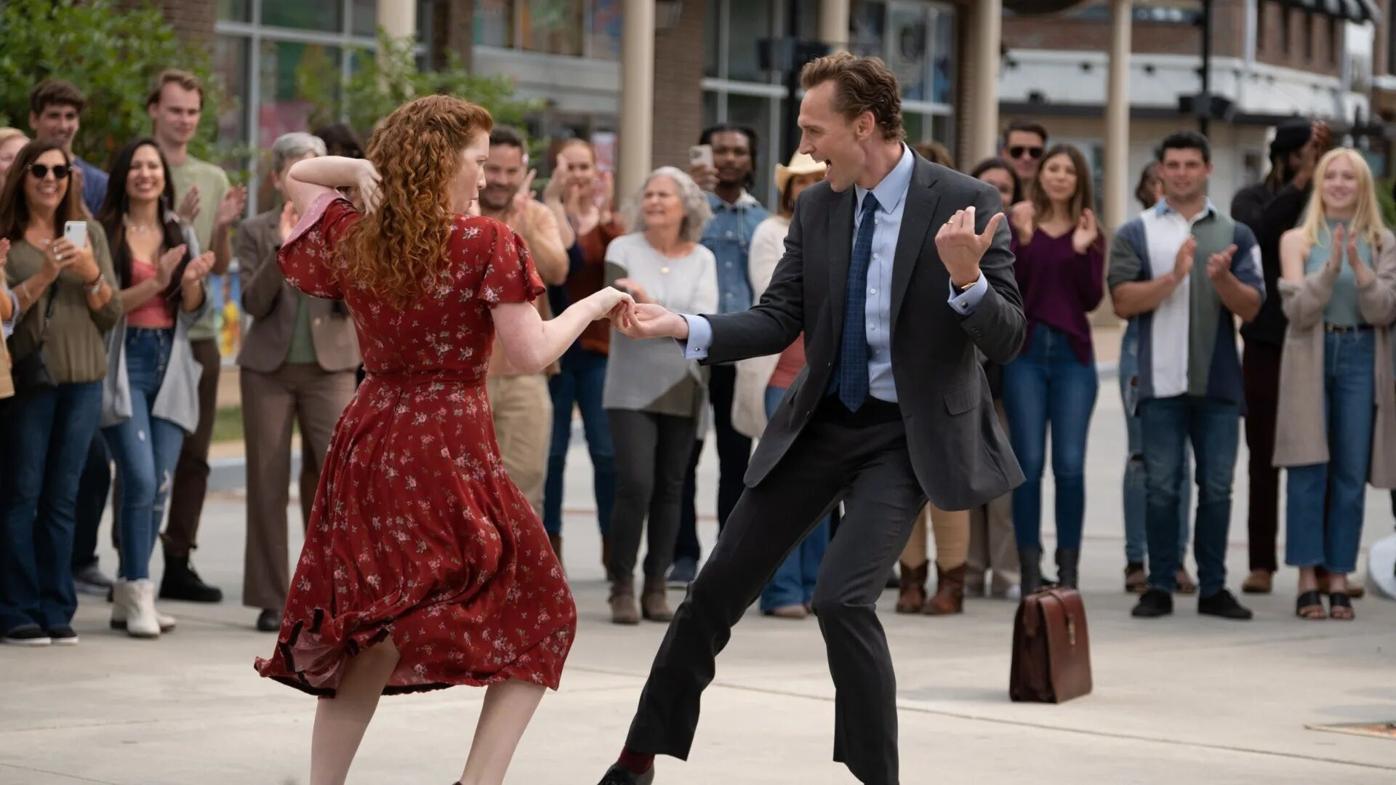
The whole movie, which follows one man’s heartbreak from childhood through the end of the world, hinges on a six-minute sequence. Hiddleston’s unassuming accountant character (Chuck) stops while walking past a busking jazz drummer who triggers something buried deep in his past. Chuck spontaneously breaks into a fantastic and fantastical dance routine with a total stranger (Basso). It incorporates swing, bossa nova, mambo, cha-cha, salsa, ballroom, foxtrot and more. A second, completely charming dance number featuring Pajak and Jo-Li Bliss illuminates the greater significance of dance in the life of Chuck.
NEON
Director Mike Flanagan called getting those numbers right “the biggest priority of the movie.” So he turned to none other than Moore, and why not? “Mandy, of course, is celebrated the world over because of her incredible body of work,” Flanagan says of the three-time Emmy Award-winner in a Neon promotional video for the film.
Moore, after all, masterminded the iconic opening scene of “La La Land,” which had 130 dancers leave their cars and turn a packed Los Angeles freeway into the world’s hottest dance floor. Moore was intrigued because unlike “La La Land,” “The Life of Chuck” is not a movie musical. Here, both numbers are essential plot points.
Hiddleston, who has never been a professional dancer, knew what was at stake.
“I understood that this had to be a really amazing number,” he told Neon. “And when I spoke to Mike, I said, ‘We have to go big or go home.’ And he agreed.”
In preparation for filming in Alabama, Moore worked with Basso in L.A. and dispatched an associate to London to give Hiddleston a crash course on all the different dance styles. Flanagan’s direction was to prioritize exuberance over precision, Moore told the magazine, and her priority was to make the actors feel confident and free in their movements. She sent videos of potential moves and incorporated feedback, allowing the choreography and music to evolve together. Most of all, she wanted her actors to embrace the joy of dancing.
And then this magical thing happened,” Hiddleston said. Moore and Basso flew to London, “and we all spent a week together dancing all day every day with Taylor Gordon conducting the entire thing from behind a drum kit.”
With Moore and her associates by their side, Basso said, “I felt like I could do anything.”
The result is a completely unexpectable and uplifting cinematic moment that the audience is not meant to fully understand until we later see a much younger Chuck dance for the first time. It is already sure to become another celluloid signature in Moore’s choreography reel.
Hiddleston and Basso rehearsed daily for 50 days for six minutes of film that were shot in 47 takes.
“We burned holes in the souls in our shoes, which felt like a rite of passage,” Hiddleston told Neon. “We thought, ‘How do we get the two of us to a level where we can execute this extraordinary choreography, but also do it with total confidence and freedom and spontaneity and grace?”
He learned that if you dance every day, “it does something to your spirit,” he said. “This was certainly the most joyful experience I’ve had on a film.”
Moore, Hiddleston told the New York Times, “believes so powerfully in the transformative power of dancing. And I felt so safe with her.”
Moore grew up Breckenridge, 70 miles west of Denver. Her late mother was prolific Colorado stage director Wendy Moore. Sister Missy Moore is both the artistic director of the Thunder River Theatre Company in Carbondale, and she is starring in a production of “What the Constitution Means to Me” at Theatre SilCo from July 11-Aug. 3 in Silverthorne. Her father, Bob Moore, just played The Proprietor in “Assassins” for Sol Theatre Company in Carbondale.
Moore hopes audiences leave “The Life of Chuck” wanting to dance. “I hope they want to move their bodies and not feel all the judgment and the things that happen in life that make us not want to (dance),” she told Marie Claire. “I think it’s a huge part of what makes people human.”
John Moore is The Denver Gazette’s senior arts journalist. Email him at john.moore@gazette.com

Denver area events for Feb. 5
Carlotta Olson
carlotta-olson@denvergazette.com
Updated 16 hours ago
If you have an event taking place in the Denver area, email information to carlotta.olson@gazette.com at least two weeks in advance. All events are listed in the calendar on space availability. Thursday Vinicius Cantuária & Chico Pinheiro Duo — 6:30 and 9...

Carlotta Olson
Reporter
New York ❤️ Colorado Symphony
John Moore
john.moore@denvergazette.com
Updated 7 hours ago
Arts news: ‘Shrek’ drama deepens; important internment play in Brighton; John Irving salutes Olympic grandkids The Colorado Symphony is still floating on an apex after last weekend’s historic tour gave 15,000 New Yorkers a listen to the best our state...
John Moore
Reporter

Weekend things to do around Denver and beyond: Goldens in Golden and more
Dennis Huspeni
dennis.huspeni@gazette.com
Updated 15 hours ago
Each Thursday, explore Denver’s essential weekend events curated by The Denver Gazette. Dive into cultural experiences and entertainment delights across the city. Whether you enjoy art galleries, pottery, or outdoor sports, there’s something for everyone in Denver’s vibrant cultural scene....

Dennis Huspeni
Reporter

Daniels Fund awards $450K to three outstanding organizations | NONPROFIT REGISTER
Joanne Davidson Special to Colorado Politics
joanne-davidson-special-to-colorado-politics@denvergazette.com
Updated 11 hours ago
You know the old saying about how it’s an honor just to be nominated? In the case of the Daniels Fund and its annual $250,000 Medal of Excellence Award, it wasn’t just an honor to be considered; it was also quite profitable. ...

Olympic Games kickoff sparks Downtown Winter Fest in Colorado Springs
April Borjon
april.borjon@gazette.com
Updated 16 hours ago
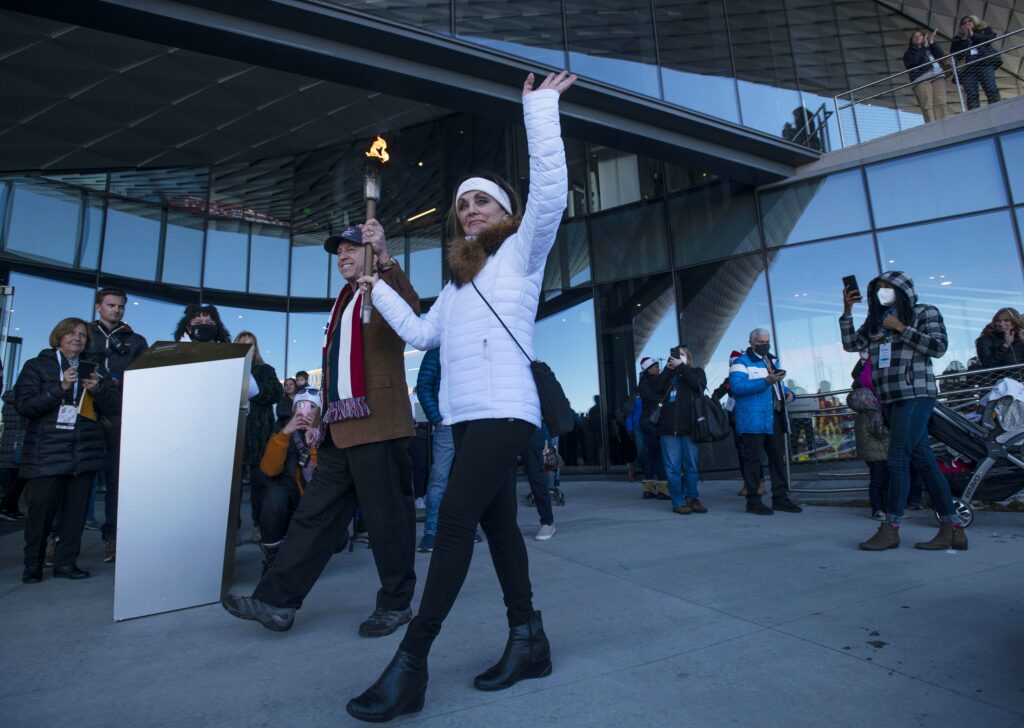
The U.S. Olympic & Paralympic Museum will open its doors Saturday for a free celebration tied to the kickoff of the Olympic Games in Milan, Italy. Downtown Winter Fest will run from 10 a.m. to 3 p.m., offering free admission...

April Borjon
Reporter
Denver area events for Feb. 4
Carlotta Olson
carlotta-olson@denvergazette.com
Updated 2 days ago
If you have an event taking place in the Denver area, email information to carlotta.olson@gazette.com at least two weeks in advance. All events are listed in the calendar on space availability. Wednesday Lord of the Lost & the Birthday Massacre – The...
Carlotta Olson
Reporter
Chuck Negron, lead singer on ‘Joy to the World’ and other Three Dog Night hits, dies at 83
The Associated Press
the-associated-press@denvergazette.com
Updated 2 days ago
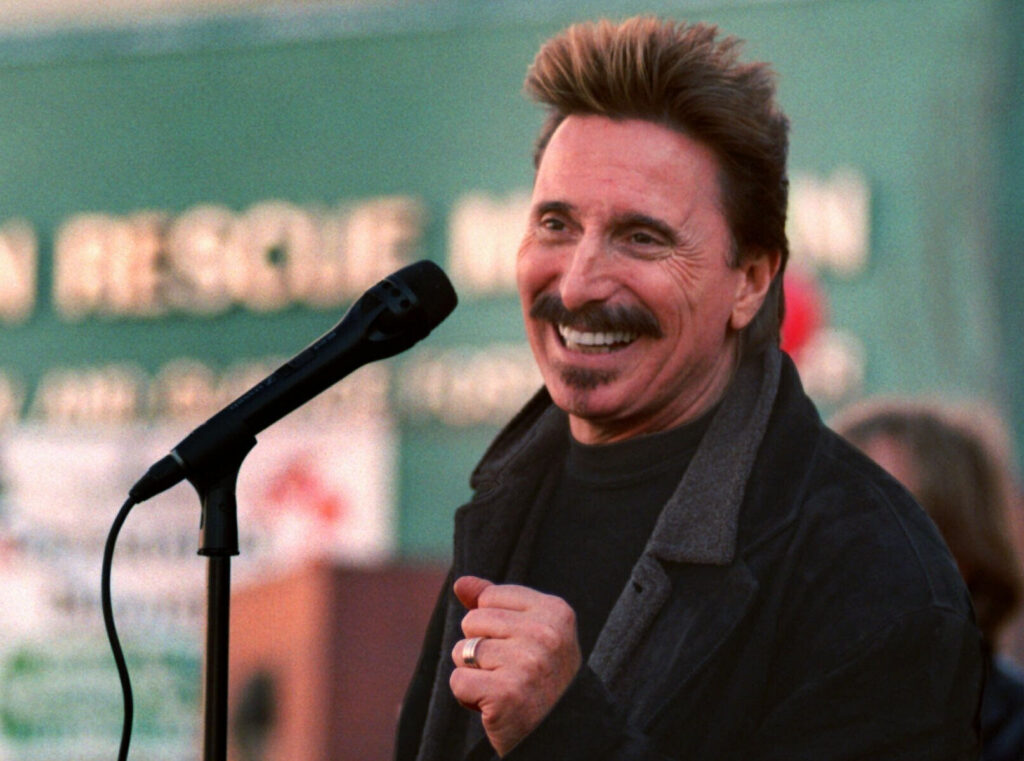
NEW YORK — Chuck Negron, a founding member of the soul-rock sensations Three Dog Night who sang lead on such hits as “One” and “Just an Old Fashioned Love Song” and hollered the immortal opening line “Jeremiah was a bullfrog!”...

The Associated Press
Reporter
Wanna get away? Snow geese in Lamar, chocolate in Estes Park and live music at Red Rocks among weekend options around Colorado
April Borjon
april.borjon@gazette.com
Updated 16 hours ago
HIGH PLAINS SNOW GOOSE FESTIVAL: One of the state’s largest birding events returns to the eastern plains, drawing visitors eager to witness thousands of snow geese and other migratory birds along the Western Central Flyway. Through Sunday, the four-day festival...
April Borjon
Reporter
Denver area events for Feb. 3
Carlotta Olson
carlotta-olson@denvergazette.com
Updated 2 days ago
If you have an event taking place in the Denver area, email information to carlotta.olson@gazette.com at least two weeks in advance. All events are listed in the calendar on space availability. Tuesday Sipping N’ Painting Hampden — “Moonlit Pine,” 6:30-8:30 p.m., Sipping...
Carlotta Olson
Reporter
So … why do we care about Bad Bunny?
Isabelle Rosewater, Special to The Gazette
Isabelle-Rosewater@gazette.com
Updated 1 day ago
Puerto Rican superstar’s selection to headline first Super Bowl halftime show in Spanish has sparked global conversation and controversy Puerto Rican superstar Bad Bunny’s selection as the first artist to headline a Super Bowl halftime show performing entirely in Spanish...

PREV
PREVIOUS

Weekend things to do around Denver and beyond: Denver Fan Expo and more
THURSDAY Indy Eve 2025 kicks off the area’s Fourth of July celebrations the night before in Civic Center Park, 5-10 p.m. Thursday. Watch a spectacular drone show, visit a Night Market, see a performance by the Circus Foundry, play in the family fun zone and hear rousing music by Colorado Symphony Brass & Percussion Ensemble. On Friday […]

Joshua Bess rocks for his jukebox hero in 'Rock of Ages'
Littleton’s Joshua Bess is on the kind of career trajectory that would have jetted most rising local actors out of Colorado “ages” ago. (It’s a pun. Wait for it.) The 2012 Columbine High grad recently played Roger in the 20th anniversary touring production of “Rent,” and both Jesus and Judas in different major stagings of […]